
 English
  中文简体
中文简体  Español
Industry News
With the increasing emphasis on infection control and personnel protection in medical environments, disposable medical scrub suits play an increasingl...
READ MORE

 By Admin
Content
The healthcare industry is undergoing a significant shift in its approach to personal protective equipment (PPE), with a growing number of facilities reevaluating their reliance on single-use items. At the forefront of this change is the adoption of reusable medical gowns. This transition is driven by a complex interplay of economic, environmental, and performance factors that challenge the traditional disposable model. This article delves into the compelling reasons behind this strategic move, exploring the tangible benefits that are leading hospitals to invest in sustainable PPE solutions. We will examine the lifecycle of these gowns, from material science to laundering logistics, and address common concerns regarding their use in modern medical settings.
While the upfront cost of a single disposable gown is undeniably low, hospital administrators are increasingly looking at the total cost of ownership. The cumulative expense of continuously purchasing, storing, and disposing of single-use gowns creates a substantial and perpetual financial drain. In contrast, reusable isolation gowns for hospitals represent a capital investment with a clear long-term payoff. A robust reusable gown can withstand 75 to 100 or more laundering cycles, effectively replacing dozens, if not hundreds, of its disposable counterparts.
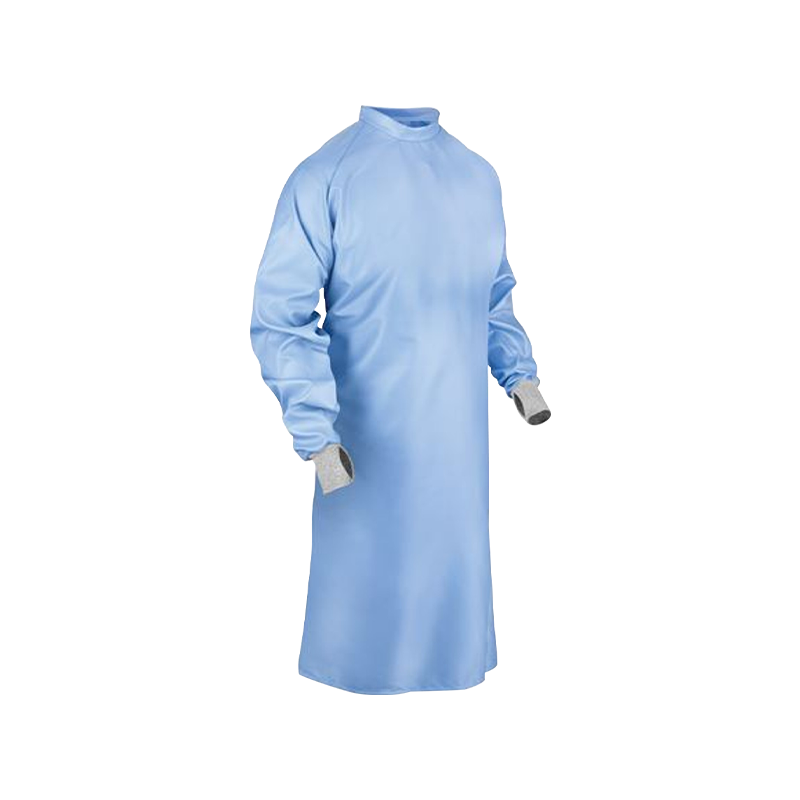
To truly understand the economic advantage, one must consider all associated costs beyond the simple per-unit price.
A comparative analysis often reveals that within a 12 to 24-month period, the reusable system becomes more economical. For instance, consider a mid-sized hospital using 500 gowns per day. The disposable model entails a daily, never-ending expense. The reusable model, after the initial outlay, primarily deals with the predictable, cyclical cost of professional laundering, which includes sterilization, inspection, and repackaging. This shift transforms gowns from a consumable commodity into a managed asset, offering budgetary control and predictability that finance departments highly value.
The environmental burden of single-use medical textiles is staggering. Disposable gowns, often made from plastics like polypropylene, are used for a few hours and then destined for incineration or centuries-long decomposition in landfills. This linear "take-make-dispose" model is increasingly at odds with the sustainability goals of modern healthcare institutions. The adoption of reusable gowns is a cornerstone strategy for reducing a hospital's carbon footprint and aligning with environmental stewardship principles, a key consideration for eco friendly medical scrubs and gowns procurement teams.
A single surgical procedure can generate pounds of waste, with gowns being a major contributor. Switching to reusables dramatically cuts the volume of solid medical waste. Studies have shown that reusable surgical gown systems can reduce associated waste by up to 90% compared to disposable systems. This not only lessens the environmental harm but also directly reduces the hospital's costs for hazardous waste disposal, which is often billed by weight or volume. The closed-loop system of use, collection, laundering, and redelivery creates a circular economy within the healthcare facility.
A comprehensive Lifecycle Assessment evaluates the environmental impact of a product from raw material extraction to end-of-life. For reusable medical gowns, the LCA typically shows:
This holistic view supports the argument that reusables offer a more sustainable path forward, allowing hospitals to provide essential care while honoring their commitment to planetary health.
A primary concern for any healthcare provider is the level of protection offered by PPE. There is a common misconception that disposable gowns are inherently more protective. In reality, the performance is dictated by the material's construction and its compliance with standards like the American Association of Textile Chemists and Colorists (AATCC) and the Association of the Advancement of Medical Instrumentation (AAMI). High-quality reusable surgical gowns with AAMI level 3 protection are engineered to provide critical barrier against fluid penetration and microbial migration.
Modern reusable gowns are made from sophisticated fabrics, often blends of polyester and cotton or advanced polyester weaves with liquid-repellent finishes. These materials are designed for durability and consistent barrier performance. Unlike some disposable gowns that can lose integrity when snagged, the woven or knitted construction of reusables can offer robust resistance to abrasion. The laundering process is not merely about cleaning; it includes rigorous inspection for holes, seam integrity, and the reapplication of waterproof finishes when necessary, ensuring each gown meets protective standards before its next use.
Protection is paramount, but compliance is heavily influenced by comfort. A hot, non-breathable gown is more likely to be removed prematurely or cause heat stress. Breathable reusable hospital gowns are a key solution here. The natural breathability of cotton blends or engineered moisture-wicking fabrics allows for better air circulation, improving wearer comfort during long procedures or shifts. Enhanced comfort leads to better adherence to PPE protocols, which directly contributes to overall safety. Furthermore, the heavier, more substantial feel of a reusable gown can provide a psychological sense of security and durability that thin disposables often lack.
Implementing a reusable gown program requires a well-designed logistical system, but this system itself brings efficiencies. It moves the facility away from the reactive model of managing disposable inventory to a proactive, scheduled model of asset management.
The cornerstone of a successful reusable program is a reliable, accredited laundry process. Healthcare laundries follow stringent protocols that differentiate them from commercial laundries.
This professional management ensures a consistently high-quality, safe product is always available, eliminating the risk of using a gown from a damaged or contaminated batch of disposables.
A reusable system simplifies inventory. Instead of managing vast stocks of disposable boxes across multiple storage areas, the hospital maintains a controlled par level of reusable gowns. The regular pickup and delivery cycle from the laundry service creates a predictable flow. This reduces the risk of running out of gowns unexpectedly and eliminates the need for large, dedicated storage spaces for disposable PPE, freeing up valuable hospital square footage for clinical use.
Despite the advantages, some reservations persist. It is crucial to address these head-on with evidence and data.
The most frequent concern is the risk of spreading infection through laundered gowns. This is effectively mitigated by the standardized, scientific laundry processes described above. Accredited healthcare laundries adhere to guidelines from bodies like the Centers for Disease Control and Prevention (CDC) and the Healthcare Laundry Accreditation Council (HLAC). The combination of thermal and chemical disinfection has been proven for decades to produce hygienically clean textiles for sensitive environments, including isolation wards and operating rooms. The process for reusable isolation gowns for hospitals is designed specifically to eliminate this risk.
Another question is whether the gowns can truly last. The durability of reusable gowns is a key feature. They are constructed with reinforced stitching and high-grade fabrics to withstand the rigors of clinical use and repeated industrial laundering. The cost-benefit analysis is clear: the per-use cost plummets with each cycle. After 50 uses, a gown that initially cost significantly more than a disposable one may have a per-use cost of mere cents, far below the constant per-unit cost of disposables. This demonstrates the undeniable long term value of reusable surgical gowns for a hospital's bottom line.
The transition from disposable to reusable medical gowns is not merely a trend but a strategic recalibration based on comprehensive analysis. It balances fiscal responsibility with environmental stewardship, without compromising—and often enhancing—the safety and comfort of healthcare workers. As material science advances and healthcare systems deepen their commitment to sustainable practices, the reusable model stands as a resilient, efficient, and forward-thinking solution for modern infection control and operational excellence.
With the increasing emphasis on infection control and personnel protection in medical environments, disposable medical scrub suits play an increasingl...
READ MOREWhy are material quality and barrier protection crucial in a disposable cardiovascular surgical drape pack? The efficacy of disposable cardiovascular ...
READ MOREThe Importance of Disposable Obstetrics Drapes Packs In modern delivery practices, the disposable obstetrics drapes pack has become a crucial tool for...
READ MOREThe Critical Role of Medical Gowns in Healthcare In the dynamic and often hazardous environment of a healthcare facility, medical gowns serve as a pri...
READ MORE
 This website is intended for regions outside of China.