
 English
  中文简体
中文简体  Español
Industry News
Home / News / Industry News / The Comprehensive Guide to Disposable Surgical Drapes: Types, Uses, and Innovation


 By Admin
Content
In the intricate world of modern surgery, maintaining a sterile field is not just a best practice—it's a critical determinant of patient outcomes. At the heart of this aseptic protocol lies a seemingly simple yet profoundly important product: disposable surgical drapes. These specialized fabrics serve as the primary barrier against microbial migration and fluid strike-through, protecting both the patient and the surgical team. For over two decades, Jiangsu Dingshun Medical Products Co., Ltd has been at the forefront of developing high-quality disposable medical consumables, including advanced surgical draping systems. From our beginnings with knitted cuffs, our dedication to quality-first manufacturing and global supply has evolved to meet the sophisticated demands of operating rooms worldwide. This guide delves into the science, selection, and sustainable future of disposable surgical drapes.
Disposable surgical drapes are sterile sheets or fenestrated fabrics used to isolate a surgical site from the rest of the patient's body and the non-sterile environment. They are a cornerstone of infection control, designed to prevent surgical site infections (SSIs), which are among the most common healthcare-associated complications.
The transition from reusable cloth drapes to modern disposable surgical drapes represents a significant advancement in patient safety, driven by evidence-based practice. Studies have shown that disposable drapes with fluid-resistant properties can be more effective in preventing SSIs compared to traditional woven textiles, especially in procedures with high irrigation or blood loss [1].
Not all surgical procedures are the same, and neither are the drapes. Selecting the correct type is crucial for optimal protection and workflow.
The choice between impervious and absorbent drapes depends on the anticipated fluid exposure during surgery.
The primary distinction lies in their core function. Impervious drapes are designed as a shield to block fluids, whereas absorbent drapes act as a sponge to manage minimal moisture. For most major surgeries, a combination is used: an impervious drape at the core surgical site with absorbent layers in the periphery.
| Feature | Impervious Drapes | Absorbent Drapes |
|---|---|---|
| Primary Function | Block fluid penetration | Wick and hold moisture |
| Ideal For | Orthopedic, cardiac, OB/GYN (high fluid) | Minor procedures, dermatology, peripheral areas |
| Key Material | Non-woven SMS with polymer coating | Non-woven pulp or cellulose blends |
| Patient Comfort Consideration | Can be less breathable | Generally more breathable |
Beyond the basic types, specialized drapes are engineered for unique surgical needs. For instance, disposable surgical drapes for ophthalmology are a critical niche. These drapes are designed with extreme sensitivity to the surgical field. They often feature a precise, small fenestration (opening) and are made from lint-free, low-linting materials to prevent any microscopic fibers from interfering with the delicate eye structures. Furthermore, the adhesives used are formulated to be gentle on the sensitive periorbital skin. Understanding these nuances, such as the requirements for ophthalmic surgery drapes with fluid collection pouch, is essential for manufacturers focused on comprehensive solutions. These pouches are integrated to manage the constant irrigation used in procedures like phacoemulsification, preventing fluid runoff and maintaining a dry operative field.
The performance of a surgical drape is intrinsically linked to its material composition and manufacturing integrity.
Jiangsu Dingshun Medical Products Co., Ltd adheres to a principle of full-process management, beginning with rigorous raw material selection for surgical drapes. This initial step is vital, as the quality of the polymers and non-woven substrates directly impacts the final product's barrier efficacy, tensile strength, and absence of toxic residues. Our commitment extends through every production stage to ensure each drape meets stringent international standards.
Choosing the appropriate drape is a multi-factorial decision that directly impacts patient safety and surgical efficiency.
A drape's adhesive is its anchor. It must be strong enough to prevent gapping or lifting throughout a long procedure, yet safe for patient skin. Modern acrylate-based adhesives are designed to be hypoallergenic and provide consistent adhesion. The pattern of adhesive application—whether a continuous border, an Ioban®-like incise film, or strategic strips—also plays a role in its performance and is a critical consideration in the selection criteria for surgical drapes adhesive.
The medical consumables industry is increasingly focused on innovation that balances performance with environmental responsibility.
As a company exploring sustainable solutions, Jiangsu Dingshun Medical recognizes the environmental challenge posed by disposable medical waste. The future lies in innovation, such as:
This commitment to bringing new technology to the world's healthcare market, while actively seeking greener alternatives, aligns with our forward-moving philosophy: "For doctors, For us, and For future."
Disposable drapes offer guaranteed sterility for each use, eliminate the risk of cross-contamination from inadequate laundering, and provide consistent, engineered barrier properties (like fluid resistance) that can degrade in reusable textiles over time.
High-quality impervious drapes comply with international standards (like AAMI PB70 Level 4 or EN 13795) that define rigorous testing for fluid and microbial penetration. Look for certification and test data from the manufacturer.
Yes. For patients with sensitive skin or known allergies, it is crucial to select drapes with hypoallergenic adhesives and latex-free materials. Manufacturers often provide detailed material safety data sheets for this purpose.
Absolutely. Smaller, simpler disposable surgical drapes are perfectly suited for minor procedures, wound care, and outpatient settings. They provide a cost-effective and efficient method for maintaining asepsis.
Used drapes are considered biomedical waste and must be disposed of according to local and institutional regulations for hazardous or infectious waste. They should never be reused or recycled through standard streams.
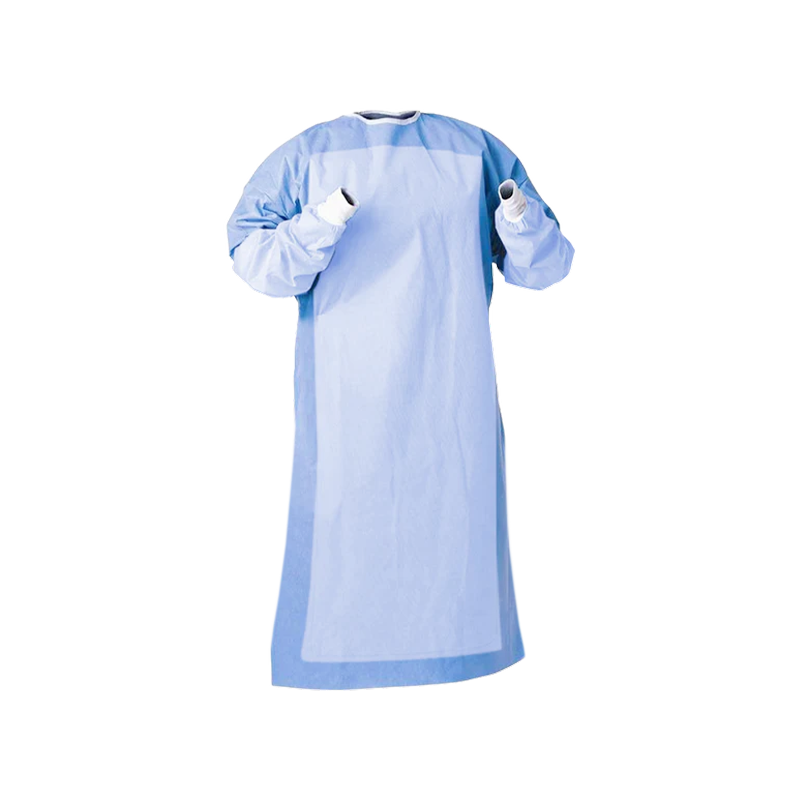
Disposable surgical drapes are a vital, dynamic component of surgical safety, evolving from simple covers to sophisticated, procedure-specific barriers. From understanding the critical differences between material types to selecting the right drape for a complex ophthalmic or high-fluid orthopedic surgery, informed choices make a tangible difference. As industry partners like Jiangsu Dingshun Medical Products Co., Ltd continue to innovate—prioritizing quality, developing specialized products like disposable surgical drapes for ophthalmology, and investing in sustainable solutions—the future of surgical draping promises even greater protection for patients and efficiency for healthcare providers worldwide.
[1] Belda, F. J., et al. (2005). "Supplemental Perioperative Oxygen and the Risk of Surgical Wound Infection: A Randomized Controlled Trial." *Journal of the American Medical Association*, 294(16), 2035-2042. (This study is often cited in discussions on infection control protocols, including barrier methods like draping).
[2] Ritter, M. A., & Sieber, J. M. (2005). "The Efficacy of Antimicrobial-Impregnated Surgical Drapery in Preventing Intraoperative Wound Contamination." *The Journal of Arthroplasty*, 20(5), 638-641. (This reference supports the discussion on advanced antimicrobial drape technologies).
With the increasing emphasis on infection control and personnel protection in medical environments, disposable medical scrub suits play an increasingl...
READ MOREWhy are material quality and barrier protection crucial in a disposable cardiovascular surgical drape pack? The efficacy of disposable cardiovascular ...
READ MOREThe Importance of Disposable Obstetrics Drapes Packs In modern delivery practices, the disposable obstetrics drapes pack has become a crucial tool for...
READ MOREThe Critical Role of Medical Gowns in Healthcare In the dynamic and often hazardous environment of a healthcare facility, medical gowns serve as a pri...
READ MORE
 This website is intended for regions outside of China.