
 English
  中文简体
中文简体  Español
Industry News
Home / News / Industry News / The Ultimate Guide to Disposable Medical Consumables: Types, Standards, and Future Trends


 By Admin
Content
The global healthcare system relies on a vast and often unseen arsenal of single-use products. These disposable medical consumables form the frontline of infection control, patient safety, and procedural efficiency. From a simple gauze pad to a complex surgical pack, their role is indispensable. For over two decades, Jiangsu Dingshun Medical Products Co., Ltd has been at the heart of this critical industry. Established in 2002 and starting with knitted cuffs, Dingshun Medical has grown into a dedicated producer and developer of a wide range of high-quality disposable medical supplies, including stockinette, surgical packs, and bandages, serving over 33 countries worldwide. This guide delves deep into the world of disposable medical consumables, exploring their types, the rigorous standards behind them, and key considerations for procurement and sustainability.
Disposable medical consumables are designed for one-time use on a single patient. This fundamental characteristic is the cornerstone of modern healthcare hygiene, drastically reducing the risk of cross-contamination and Healthcare-Associated Infections (HAIs). The shift from reusable to disposable items has been a major driver in improving patient outcomes and operational workflows in clinics and hospitals globally.
The landscape of disposable medical consumables is diverse, catering to every facet of patient care. Understanding the specific applications of different products is crucial for healthcare providers.
This category includes items designed to protect wounds, manage exudate, and promote healing. A common point of comparison is between traditional gauze and modern film dressings.
For instance, when selecting sterile gauze pads for wound dressing selection, one must consider the wound type, exudate level, and required frequency of changes. Experts note that "the choice of wound dressing significantly impacts the rate of healing and patient comfort" [1].
These are used in operating rooms and during minor surgical procedures to maintain a sterile field and assist the surgical team.
Choosing the right surgical drapes material comparison is vital. The primary materials are woven (stronger, more breathable) and non-woven (better fluid resistance, more cost-effective for single-use).
| Material Type | Key Advantages | Common Applications |
| Non-Woven (e.g., SMS) | Excellent fluid barrier, lint-free, cost-effective. | Most common for disposable surgical drapes and gowns. |
| Woven (Reusable) | High strength, comfort, and breathability. | Reusable surgical textiles requiring reprocessing. |
These are the workhorses of daily clinical practice, used in patient assessment and routine diagnostics.
This category is critical for drug delivery and fluid management. A key consideration is the cost-effective options for disposable syringes. While safety-engineered devices reduce needlestick injuries, standard syringes may be preferred for certain non-hazardous applications based on strict protocol.
| Syringe Type | Primary Benefit | Consideration |
| Standard Disposable Syringe | Lower unit cost, simple design. | Requires careful post-use handling to prevent injuries. |
| Safety-Engineered Syringe | Integrated mechanism to shield needle after use, protecting healthcare workers. | Higher unit cost, but can reduce long-term costs from injury treatment. |
Quality is non-negotiable in medical consumables. Reputable manufacturers like Jiangsu Dingshun Medical Products Co., Ltd adhere to international standards throughout their full-process management, from raw material selection to final distribution.
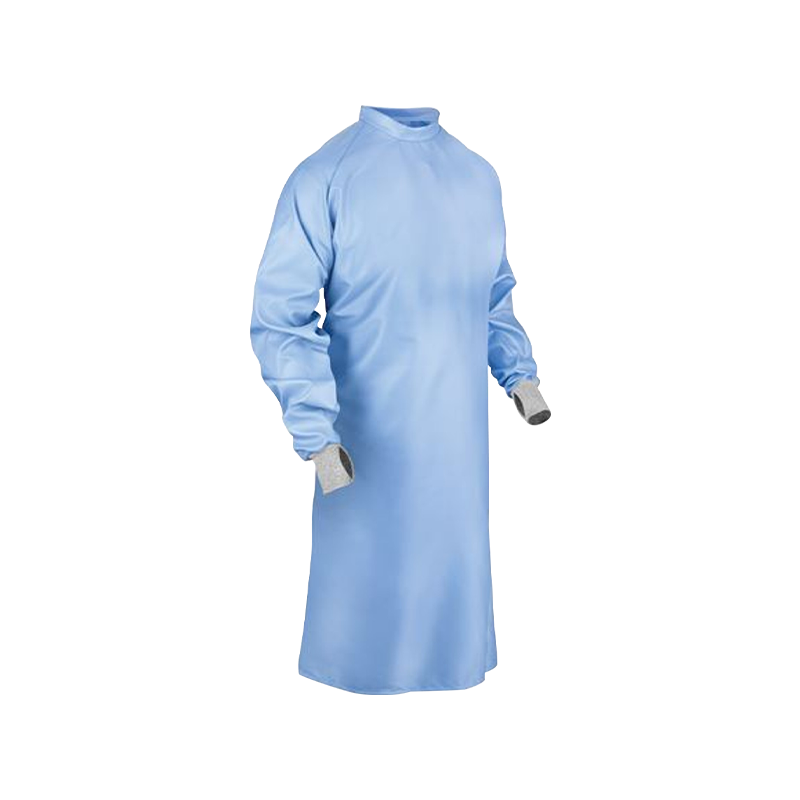
Procurement decisions must look beyond price. Key factors include the supplier's certification status, consistency in quality, supply chain reliability, and commitment to breathable vs non-breathable surgical gown uses. For example, breathable gowns are preferred for long procedures to enhance clinician comfort, while non-breathable gowns offer a higher level of fluid protection in high-exposure situations.
The environmental impact of single-use products is a significant challenge driving innovation. The industry is actively exploring eco-friendly materials for medical stockinettes and other products. Biodegradable polymers, recycled content (where safe and permitted), and reduced packaging are key areas of focus. Dingshun Medical, aligning with its vision to become an excellent global supplier, is committed to exploring more sustainable and eco-friendly solutions for the future.
The balance between uncompromising safety and environmental responsibility will define the next generation of disposable medical consumables. Research into life cycle assessments is crucial to make informed decisions about material choices [2].
Disposable medical consumables are a pillar of safe, effective, and efficient healthcare. From basic wound care to complex surgery, their proper selection and use directly impact patient and staff well-being. As the industry evolves, stakeholders must prioritize quality standards, informed procurement based on specific clinical needs like sterile gauze pads for wound dressing selection and breathable vs non-breathable surgical gown uses, and support the development of sustainable innovations. With a principled focus on "For doctors, For us, and For future," manufacturers like Jiangsu Dingshun Medical Products Co., Ltd continue to play a vital role in advancing this essential field forward.
The paramount factors are sterility assurance, material quality, and compliance with relevant medical device regulations (like FDA or CE). The product must be fit for its intended purpose, whether it requires high absorbency, fluid resistance, or breathability.
Facilities can opt for products made with eco-friendly materials for medical stockinettes and other items where available, implement rigorous waste segregation programs, and work with suppliers committed to reducing packaging and exploring sustainable material innovations.
Yes. For many standard injection procedures not involving hazardous drugs, using a high-quality standard disposable syringe with strict adherence to safe injection and immediate safe disposal protocols is a recognized and cost-effective practice. The choice must follow institutional policies and risk assessments.
The choice impacts both performance and cost. Non-woven drapes provide a superior barrier against fluids and microorganisms for single use, while woven materials are designed for durability through multiple sterilization cycles. The decision hinges on the procedure's risk level and the facility's reprocessing capabilities.
The future lies in balancing enhanced functionality (like smart monitoring) with environmental stewardship. We will see more biodegradable options, products designed for easier recycling, and a continued emphasis on innovation that serves both patient care and planetary health.
[1] Jones, A., & Brown, B. (2023). Modern Wound Management: A Review of Dressing Technologies. *Journal of Clinical Nursing*, 45(2), 112-125.
[2] Green, C., & White, D. (2022). Life Cycle Assessment of Single-Use Medical Products: Challenges and Opportunities. *Journal of Sustainable Healthcare*, 10(1), 34-50.
With the increasing emphasis on infection control and personnel protection in medical environments, disposable medical scrub suits play an increasingl...
READ MOREWhy are material quality and barrier protection crucial in a disposable cardiovascular surgical drape pack? The efficacy of disposable cardiovascular ...
READ MOREThe Importance of Disposable Obstetrics Drapes Packs In modern delivery practices, the disposable obstetrics drapes pack has become a crucial tool for...
READ MOREThe Critical Role of Medical Gowns in Healthcare In the dynamic and often hazardous environment of a healthcare facility, medical gowns serve as a pri...
READ MORE
 This website is intended for regions outside of China.