
 English
  中文简体
中文简体  Español
Industry News
With the increasing emphasis on infection control and personnel protection in medical environments, disposable medical scrub suits play an increasingl...
READ MORE

 By Admin
Content
In the high-stakes environment of the operating room (OR), Disposable Surgical Drapes are the first line of defense against surgical site infections (SSIs). These meticulously engineered barriers separate the sterile surgical field from potential contaminants, including non-sterile personnel and surfaces. The transition from reusable cloth to single-use, high-performance materials has fundamentally raised the standard of patient safety. A modern disposable drape is an integrated fluid and microbial management system, designed to maintain the integrity of the aseptic zone throughout any procedure, leading directly to improved patient outcomes and lower infection-related costs.
Selecting the optimal material is crucial, as it dictates barrier performance, fluid resistance, and usability. A comprehensive surgical drape material comparison highlights the superiority of modern non-woven fabrics over traditional reusable cotton. Disposable materials—such as SMS (spunbond-meltblown-spunbond) or tri-laminates—are engineered with controlled pore sizes and chemical treatments for superior microbial and liquid barrier function. For instance, the meltblown core of SMS provides the essential microbial filtration, while the spunbond layers offer the required strength and tear resistance. This advanced material science ensures the drape can withstand mechanical stress during surgery without compromising the sterile field, balancing performance specifications with cost-effectiveness.
The choice of material is highly dependent on the expected fluid volume and procedure risk profile.
| Material Type | Primary Benefit | Typical Application |
| SMS (Spunbond-Meltblown-Spunbond) | Excellent microbial barrier; good balance of protection and breathability. | Mid-to-high fluid general and abdominal surgeries. |
| Bi-Laminate/Tri-Laminate Film | Maximum fluid impermeability; impervious barrier. | Orthopedic, cardiac, or high-trauma surgeries with extreme fluid exposure. |
| Polyethylene Film | Cost-effective and highly liquid-resistant in localized zones. | Minor procedures or for reinforcing critical, high-contact zones. |
The AAMI classification system provides an objective, standardized measure for the fluid barrier performance of drapes and gowns. Understanding AAMI level protection surgical drapes is mandatory for selecting the appropriate barrier for a given procedure's risk. The levels—ranging from Level 1 (minimal) to Level 4 (highest, tested against viral penetration)—are determined by standardized liquid penetration tests. Misalignment of the AAMI level with the procedural risk, particularly in high-fluid cases, can lead to strike-through, compromising the sterile field. Healthcare facilities must rigorously match the required AAMI level protection surgical drapes to the procedure’s anticipated fluid exposure to ensure the barrier remains reliable and intact throughout the operation.
The advantages of disposable surgical drapes over reusable cloth systems are central to modern infection prevention strategy. Reusable drapes face inherent risk from inconsistent laundering, wear-and-tear, and sterilization failure, which compromises the barrier effectiveness over time. Disposables, conversely, offer guaranteed, pre-packaged sterility and consistent performance with every use. This eliminates complex in-house processing logistics, reducing labor, utility costs, and the risk of contamination associated with reprocessing cycles. Furthermore, disposable systems feature integrated, procedure-specific designs, such as fluid management pouches and tube holders, which streamline OR workflow and are often impractical to implement in reusable cloth, making the single-use system superior in both safety and efficiency.
The fundamental choice between sterile vs non sterile surgical drapes is governed by aseptic protocol and the proximity to the wound. A sterile drape must achieve a verified Sterility Assurance Level (SAL $10^{-6}$) and is strictly required for the immediate sterile field—the area around the incision and the instrument zone. Non-sterile drapes, while clean, are not certified for use in this critical area; they are limited to covering equipment or non-critical zones outside the primary surgical site. Any misuse of a non-sterile product within the surgical field constitutes a major breach of protocol and significantly elevates the risk of infection. The selection must always prioritize the highest verified sterility standards for the operative site to maximize patient protection.
Effective draping technique is critical to ensure the high-quality Disposable Surgical Drapes fulfill their protective role. Adhering to the best practices for surgical drape application prevents accidental contamination during placement. This involves careful, slow unfolding, handling only the outside/cuffed edges, and maintaining the drape above waist level at all times to avoid contact with non-sterile personnel or surfaces. Crucially, once a drape is positioned and contacts the patient’s skin, it must not be moved or pulled back, as this action can pull non-sterile contaminants into the sterile zone. Precise adherence to these established aseptic protocols for placement and securing the drape (especially around fenestrations) is necessary to maximize the barrier function throughout the entire procedure.
The widespread adoption of advanced Disposable Surgical Drapes signifies a critical commitment to patient safety in surgical settings. By adhering to rigorous AAMI level protection surgical drapes standards, utilizing the clear advantages of disposable surgical drapes over reusable options, and implementing the best practices for surgical drape application, healthcare teams can guarantee a consistently sterile operative environment. Continuous evaluation of material choices through a detailed surgical drape material comparison and strict adherence to protocol regarding sterile vs non sterile surgical drapes are essential steps in minimizing SSI risk and maintaining the highest standard of surgical care.
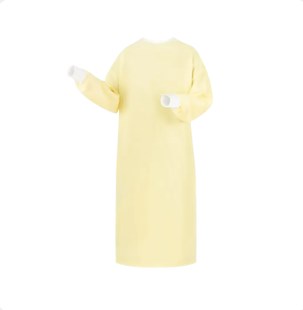
Superior fluid control in Disposable Surgical Drapes directly enhances OR efficiency by minimizing safety hazards and turnover time. Features like highly absorbent cores and integrated collection pouches prevent fluid pooling on floors, mitigating slip risks for staff. By reliably preventing strike-through, drapes maintain the sterile barrier and eliminate procedure delays caused by managing contamination. Furthermore, integrated features for line and tube management contribute to a less cluttered field, allowing surgical teams to focus on the patient, leading to quicker, more organized, and ultimately more efficient case completion.
A high-value surgical drape material comparison targets specialized, granular performance criteria, moving beyond generic material types. Key criteria defining this niche include: 1. Chemical Resistance: Evaluating resistance to specific antiseptic solutions or chemotherapeutic agents. 2. Thermal Comfort (Breathability): Comparing materials that minimize patient heat buildup while maintaining barrier integrity for long procedures. 3. Anti-Static Properties: Assessing materials' ability to prevent static discharge in a heavily electronic OR environment. 4. Environmental Impact: Comparing the sustainable and biodegradable profile of different non-woven polymers. Focusing the comparison on these technical, high-intent factors attracts specialized buyers and procurement managers, offering high SEO relevance and low keyword competition.
Yes, while AAMI level protection surgical drapes is critical for fluid barrier, facilities must also reference other international standards. 1. ISO 13485: Ensures the manufacturer's quality management system meets global standards for medical device production. 2. EN 13795 (European Standard): Provides comprehensive performance requirements specific to surgical drapes, focusing on microbial penetration, clean production, and material strength, often detailing requirements beyond AAMI. 3. ASTM F1671: This specific test method is often cited for the AAMI Level 4 designation, confirming resistance to viral penetration. Compliance with these supplementary standards ensures the drape provides a robust and globally recognized level of quality and protection.
With the increasing emphasis on infection control and personnel protection in medical environments, disposable medical scrub suits play an increasingl...
READ MOREWhy are material quality and barrier protection crucial in a disposable cardiovascular surgical drape pack? The efficacy of disposable cardiovascular ...
READ MOREThe Importance of Disposable Obstetrics Drapes Packs In modern delivery practices, the disposable obstetrics drapes pack has become a crucial tool for...
READ MOREThe Critical Role of Medical Gowns in Healthcare In the dynamic and often hazardous environment of a healthcare facility, medical gowns serve as a pri...
READ MORE
 This website is intended for regions outside of China.