
 English
  中文简体
中文简体  Español
Industry News
With the increasing emphasis on infection control and personnel protection in medical environments, disposable medical scrub suits play an increasingl...
READ MORE

 By Admin
Content
The landscape of global healthcare is constantly evolving, driven by the dual needs of patient safety and operational efficiency. At the core of this transformation lies the ubiquitous presence of disposable medical supplies. These products, ranging from simple gloves and syringes to complex surgical kits, are no longer a mere convenience but a critical element in maintaining sterile environments and preventing cross-contamination. Their adoption marks a profound shift towards standardized, safer, and more streamlined medical procedures. This comprehensive guide delves into the significance, economics, and future trajectory of this indispensable sector, ensuring healthcare providers are equipped with expert knowledge for informed decision-making.
The reliance on single-use items in clinical settings has been instrumental in raising the bar for global health standards. The primary driver for the widespread use of disposable medical products is the inherent guarantee of sterility and the immediate reduction in the risk of Hospital-Acquired Infections (HAIs). This section explores the profound impact these supplies have on patient outcomes and financial planning within healthcare systems.
Patient safety is the cornerstone of modern healthcare, and the strict adherence to infection control protocols is non-negotiable. Disposable supplies inherently eliminate the lengthy, often resource-intensive, and fallible processes associated with cleaning, sterilizing, and tracking reusable instruments. The moment a sterile, single-use item is opened, the healthcare professional is assured of its uncompromised condition, drastically minimizing the pathway for pathogen transmission. Effective sterile disposable protective equipment procurement, including items like specialized face masks, gowns, and barrier drapes, acts as a frontline defense against viral and bacterial spread, safeguarding both patients and medical personnel, especially during pandemic scenarios. The shift ensures every procedure starts with a "clean slate," reinforcing confidence in the quality of care delivered. This strategic use of disposables is more than a clinical choice; it is a systemic commitment to high safety standards that directly translates into improved mortality and morbidity rates.
While the upfront purchase cost of a single-use item may seem higher than the amortization of a reusable counterpart, a comprehensive life-cycle analysis reveals that cost-effective disposable surgical instruments often present a superior financial model. The true cost of reusable instruments extends far beyond the initial purchase price; it must encompass the labor, energy, water, and specialized chemical costs associated with cleaning and sterilization, coupled with the inevitable expenses of repairs, maintenance, and eventual replacement due to wear and tear. Furthermore, the costly risk of instrument loss or damage during reprocessing is entirely negated. For high-volume procedures, disposables offer predictability in budgeting, eliminating the volatility associated with unpredictable maintenance and utility spikes. This financial clarity allows clinics and hospitals to allocate resources more efficiently towards patient-facing services rather than industrial sterilization infrastructure. The economic argument shifts from a simple unit-price comparison to a total cost of ownership model, where disposables frequently emerge as the more fiscally prudent choice for operations.
| Cost Factor | Disposable Medical Supplies | Reusable Instruments |
| Initial Purchase Price | Unit-based, predictable | High capital investment |
| Reprocessing/Sterilization Labor | None (Zero) | High, specialized staff required |
| Utility/Energy Consumption | Minimal (Manufacturing only) | High (Daily sterilization cycles) |
| Maintenance/Repair Costs | None | High, subject to unpredictable wear and tear |
Effective management of disposable medical supplies inventory is critical for operational continuity and financial health. A breakdown in the supply chain can jeopardize patient care, making strategic procurement an executive-level priority. This involves not only choosing the right products but also optimizing logistics and maximizing economies of scale.
The decision to utilize disposable over reusable devices is a complex one, driven by clinical context, regulatory requirements, and financial modeling. Understanding the core advantages of disposable versus reusable medical devices is essential for administrators and clinicians. While reusable devices (like complex scopes or general surgery tools) are suitable when they can be reliably sterilized and offer significant long-term cost savings, disposable versions are preferred where the risk of cross-contamination is high, or where the device design makes thorough cleaning technically challenging. Disposable items guarantee performance consistency, as they are factory-calibrated and new for every use, eliminating the risk of performance degradation from repeated reprocessing. This ensures clinical teams are working with reliable, high-integrity tools every time, directly impacting the quality and success of medical procedures. The procurement decision, therefore, must weigh the guarantee of safety and performance consistency (disposable) against the potential for high-volume, amortized cost savings (reusable).
| Category | Disposable Device Advantage | Reusable Device Advantage |
| Infection Risk | Zero risk from device reuse | Potential risk from sterilization failure |
| Operational Cost | Eliminates reprocessing labor/utility costs | Lower cost per use over the long term (if high volume) |
| Inventory Tracking | Simple 'In' and 'Out' tracking | Complex tracking of sterilization cycles and repair history |
| Quality Assurance | Guaranteed factory-new performance | Performance degrades over time/cycles |
For large healthcare systems, optimizing inventory and ensuring a consistent supply flow requires sophisticated planning, particularly when managing bulk disposable medical supplies for clinics. Successfully navigating large-scale procurement is a matter of strategic partnership and detailed forecasting rather than simply finding the lowest unit price. Healthcare organizations must establish long-term contracts with reliable distributors who can guarantee volume commitments and maintain high quality control standards. Efficient procurement involves utilizing technology for automated inventory management, ensuring optimal stock levels (neither overstocked, which ties up capital, nor understocked, which risks shortages). The logistics of bulk ordering necessitate careful consideration of storage space, lead times, and emergency supply protocols. A well-executed bulk purchasing strategy leverages economies of scale to drive down overall costs while securing the necessary volume of high-quality disposable medical products required to sustain continuous, high-level patient care across multiple facilities.
The increasing volume of waste generated by disposable medical supplies presents a growing environmental challenge. The healthcare industry is actively seeking solutions to reconcile the necessity of single-use items with global sustainability goals. This movement is spearheaded by innovations in material science and a commitment to more responsible product life cycles.
The future of disposable medical products is undeniably linked to sustainability. The current focus is on developing eco-friendly disposable medical products that maintain the high standards of sterility and performance required in clinical settings while significantly reducing environmental impact. This innovation involves transitioning from traditional non-degradable plastics to advanced bio-based polymers, compostable materials, and designs that simplify the recycling process. For example, some manufacturers are now producing surgical drapes and gowns made from plant-based materials that can be processed in commercial composting facilities, or sharps containers made from recycled and recyclable materials. The shift is challenging, as materials must still withstand rigorous sterilization and maintain barrier integrity, but significant breakthroughs are being made in areas like biodegradable sutures, water-soluble packaging, and closed-loop recycling programs specifically for hospital plastic waste. Healthcare providers must factor in a product's environmental footprint when making procurement decisions, signaling market demand for greener solutions and accelerating the adoption of these next-generation disposables.
| Metric | Traditional Disposable Medical | Eco-friendly Disposable Medical Products |
| Primary Material | Petroleum-based plastics (PVC, Polypropylene) | Bio-based polymers, certified compostables |
| End-of-Life | Landfill or incineration (High carbon footprint) | Composting or chemical recycling (Lower footprint) |
| Carbon Footprint | Higher (Due to material sourcing and disposal) | Significantly Lower (Sustainable sourcing/disposal) |
| Clinical Performance | High performance | High performance (Innovation is bridging the gap) |
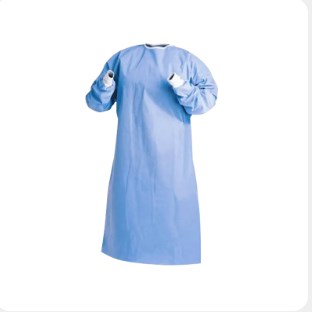
When procuring bulk disposable medical supplies for clinics, the primary factors extend beyond mere unit cost and must include clinical quality, regulatory compliance (e.g., FDA/CE certification), and supplier reliability. Clinics should prioritize the supplier's capacity for consistent, timely delivery to avoid stock-outs, especially for essential items. A robust quality assurance process is vital to ensure products meet sterility and performance standards for every batch. Furthermore, negotiating long-term contracts that lock in favorable pricing and guarantee volume availability provides the necessary financial stability and supply chain security required for continuous, uninterrupted patient care. The total cost of ownership, including storage and inventory management, should be the guiding metric.
While the purchase of sterile disposable protective equipment procurement represents an immediate outlay, it profoundly contributes to long-term hospital cost control by aggressively mitigating the risk of expensive adverse events. The cost of treating a single Hospital-Acquired Infection (HAI) can run into tens of thousands of dollars, including extended patient stays, readmissions, and potential litigation. By guaranteeing a sterile barrier, disposable protective equipment minimizes this financial risk. Additionally, the elimination of internal sterilization processes (labor, utilities, maintenance of equipment) provides significant operational savings, making the upfront investment in high-quality disposables a fiscally responsible preventative measure.
The long-term advantages of disposable versus reusable medical devices in a specialized surgical context center on guaranteed performance and patient safety. For complex or micro-instruments, repeated sterilization cycles can cause subtle material degradation, affecting precision and calibration over time—a critical risk in specialized surgery. Disposable versions ensure the surgeon uses a precisely manufactured, factory-new instrument every time, leading to consistent surgical outcomes. While reusable instruments offer capital savings over many cycles, this is often offset by the high cost of maintenance, repair, and the risk of procedure cancellation due to instrument failure or unavailability due to protracted reprocessing, making disposables often the more reliable choice for highly specialized, high-stakes procedures.
With the increasing emphasis on infection control and personnel protection in medical environments, disposable medical scrub suits play an increasingl...
READ MOREWhy are material quality and barrier protection crucial in a disposable cardiovascular surgical drape pack? The efficacy of disposable cardiovascular ...
READ MOREThe Importance of Disposable Obstetrics Drapes Packs In modern delivery practices, the disposable obstetrics drapes pack has become a crucial tool for...
READ MOREThe Critical Role of Medical Gowns in Healthcare In the dynamic and often hazardous environment of a healthcare facility, medical gowns serve as a pri...
READ MORE
 This website is intended for regions outside of China.