
 English
  中文简体
中文简体  Español
Industry News
With the increasing emphasis on infection control and personnel protection in medical environments, disposable medical scrub suits play an increasingl...
READ MORE

 By Admin
Content
Selecting the right textile for neonatal care is a critical decision for healthcare providers and parents alike. A newborn cotton blanket serves not only as a source of warmth but as a fundamental component of a baby's microclimate. For procurement officers and pediatric facility managers, understanding the technical specifications—such as fiber composition, weave structure, and thermal resistance—is essential for ensuring patient safety and regulatory compliance. This guide delves into the engineering and selection criteria for premium cotton blankets in medical and consumer markets.
The physiological characteristics of newborns, particularly their immature thermoregulatory systems, demand textiles that offer superior breathability and moisture management. The choice between organic and conventional cotton impacts both dermatological safety and environmental sustainability.
For sensitive neonatal skin, an organic cotton swaddle blanket represents the gold standard in textile safety. Grown without synthetic pesticides or fertilizers, organic cotton fibers are free from chemical residues that can cause dermatitis or allergic reactions. From a manufacturing perspective, these fibers maintain their integrity longer due to the absence of harsh processing chemicals. This results in a fabric with high tensile strength and a softer hand feel, which is crucial for swaddling applications that mimic the constriction of the womb without causing abrasion.
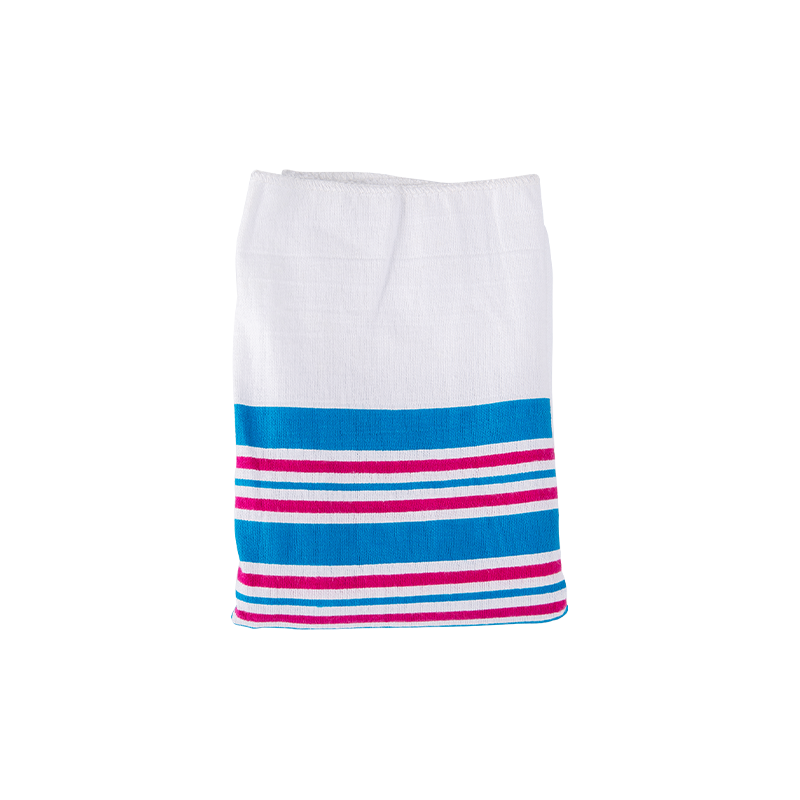
Thermoregulation is a primary concern in neonatal care. A breathable cotton baby blanket facilitates air circulation, preventing the accumulation of heat and moisture that can lead to overheating or microbial growth. The hydrophilic nature of cotton allows it to absorb up to 27 times its weight in water, wicking moisture away from the skin surface. This property is vital in preventing diaper rash and maintaining skin integrity. Technical specifications often cite the "air permeability" rating of the fabric; a higher rating indicates better breathability, reducing the risk of SIDS (Sudden Infant Death Syndrome) associated with overheating.
| Property | Organic Cotton | Conventional Cotton |
| Fiber Purity | Chemical-free; no pesticide residues. | May contain trace chemicals from processing. |
| Skin Sensitivity | Lowest allergenic potential; ideal for eczema. | Higher potential for irritation in sensitive individuals. |
| Breathability | High natural porosity. | Can be reduced by chemical finishes. |
| Durability | Stronger fibers due to minimal processing. | Standard durability; may wear faster after washing. |
Beyond thermal regulation, cotton blankets serve multifunctional roles in clinical and domestic settings. Their versatility makes them a staple item in hospital maternity wards and retail inventories.
In high-turnover medical environments, soft cotton receiving blankets are essential for initial infant care. Typically made from a lightweight gauze or flannel weave, these blankets are designed for easy folding and compact storage. Their primary utility lies in drying the infant after bathing and providing a sanitary surface for examinations. The muslin weave variant is particularly valued for its "broken-in" texture, which softens further with each industrial laundry cycle, reducing the risk of friction injuries to the epidermis.
The demand for aesthetic infant accessories has driven the market for the newborn photography props blanket. These blankets differ from standard utility blankets in their texture and drape. They are often knitted or woven to create a stretchy, seamless background that contours smoothly to baskets or poses. For B2B suppliers, catering to this market requires offering a diverse color palette and stretch fabrics (like jersey knit) that resist wrinkling, ensuring a professional finish for photography studios.
Seasonal temperature variations dictate specific material weights. A cotton baby blanket for summer requires a lower GSM (grams per square meter) to minimize thermal load. Lightweight muslin or single-layer jersey knits are the preferred technical solutions. These fabrics provide a high warmth-to-weight ratio, offering a psychological sense of security without causing heat stress. In contrast to winter fleece, summer cotton blankets must prioritize evaporation rates to keep the infant dry in humid conditions. Engineers design these blankets with a more open weave structure to maximize convective heat loss.
Quality in neonatal textiles begins at the manufacturing source. Jiangsu Dingshun Medical Products Co., Ltd was established in 2002. Starting from knitted cuffs, Dingshun Medical is dedicated to the production and development of disposable medical consumables. Nowadays, products of Dingshun cover a range of medical supplies such as stockinette, surgical pack, and bandages.
Over the past 20 years, Dingshun Medical has been highly recognized by domestic and overseas markets. The products have been sold to more than 33 countries and regions, including North America, Europe, Japan, and South Korea. This global footprint is supported by a rigorous adherence to international quality standards, ensuring that every newborn cotton blanket meets the stringent hygiene requirements of the healthcare industry.
Dingshun Medical adheres to the principle of quality first and achieves full process management from raw material selection to final distribution. It is also committed to bringing new technology to the world's healthcare market. To become an excellent global supplier of medical consumables, Dingshun is exploring more sustainable and eco-friendly solutions. "For doctors, For us, and For future. We are forward moving." This philosophy drives the company's commitment to producing safe, reliable, and environmentally responsible textile solutions.
The selection of a newborn cotton blanket is a decision that balances thermal physics, dermatological safety, and practical utility. Whether sourcing an organic cotton swaddle blanket for high-end retail or breathable options for hospital maternity wards, prioritizing material science and quality manufacturing is paramount. Partnering with an experienced producer like Jiangsu Dingshun Medical Products Co., Ltd ensures access to products that are technically engineered for infant safety and comfort.
For summer use, a GSM (grams per square meter) between 100 and 150 is generally recommended. This weight provides coverage without excessive insulation, ensuring the infant remains cool and comfortable.
Look for blankets certified by standards such as OEKO-TEX Standard 100. This certification guarantees that the textile is free from harmful substances and safe for direct contact with sensitive skin.
Yes, soft cotton receiving blankets are often used for swaddling due to their generous size and flexible fabric. However, ensure the weave is tight enough to maintain the swaddle shape without bunching.
Muslin is preferred because of its open weave structure, which offers exceptional breathability. It becomes softer with washing and is durable enough to withstand frequent industrial laundering.
A swaddle blanket is specifically designed with stretch and adequate size to wrap the infant snugly, restricting the startle reflex. A regular blanket may lack the necessary elasticity or dimensions for effective swaddling.
With the increasing emphasis on infection control and personnel protection in medical environments, disposable medical scrub suits play an increasingl...
READ MOREWhy are material quality and barrier protection crucial in a disposable cardiovascular surgical drape pack? The efficacy of disposable cardiovascular ...
READ MOREThe Importance of Disposable Obstetrics Drapes Packs In modern delivery practices, the disposable obstetrics drapes pack has become a crucial tool for...
READ MOREThe Critical Role of Medical Gowns in Healthcare In the dynamic and often hazardous environment of a healthcare facility, medical gowns serve as a pri...
READ MORE
 This website is intended for regions outside of China.