
 English
 中文简体
 Español

Industry News
Home / News / Industry News / Disposable Angiography Drapes Packs Factory: What Buyers Should Verify


 By Admin
A cath lab does not turn down a supplier because the drape feels thin. It turns down a supplier when the fenestration lifts mid-way through a sheath exchange, when the C-arm drape clouds the image intensifier at the wrong moment, or when the pack's contents no longer match the sequence the scrub nurse has rehearsed. That is the practical meaning of sourcing from a disposable angiography drapes packs factory: not who can sew a drape, but who can reproduce a validated pack thousands of times without drift. The short answer is that three things decide the outcome — procedure-specific pack design, documented barrier performance, and process control you are allowed to audit. Price, MOQ and lead time only become meaningful after those three hold, because a cheaper pack that fails in the room costs far more than the unit price it saved. Why a Femoral Angiography Pack Is Not a Generic Drape Set Angiography is an imaging procedure performed through an arterial puncture, most often at the femoral site and increasingly at the radial site. The sterile field is small, concentrated over the groin and the access route, and it is wet in a way that general surgery fields are not: blood, saline flush and contrast all sit near the puncture, while the operator's hands move constantly between the sheath, the catheter and the injector tubing. That changes the engineering brief. A laparotomy drape can spread its reinforcement generously across a wide abdominal area. An angiography pack concentrates material and adhesive where the access actually happens, keeps the fenestration edge flat against prepped skin so the field does not creep, and routes tubing so it does not drag the drape when the table moves. If the factory quotes one universal reinforcement layout for every pack in its catalogue, that is a design gap, not a cost saving. The Component Checklist Behind a Working Pack Most quality complaints about angiography packs trace back to one component rather than the whole set, so buyers should review the bill of materials line by line instead of approving a photo of a folded pack. Component Role in the procedure What to verify Fenestrated femoral drape with adhesive edge Isolates the puncture site and holds the field flat during sheath handling Adhesive tack after skin prep, fenestration dimensions, residue on removal Reinforced absorbent zone Absorbs blood and flush around the access route Absorbency rate and strike-through time under a fluid head Imaging equipment cover Keeps the C-arm or detector sterile inside the field Optical clarity, fold geometry for single-person application, seam strength Table and trolley covers Organises wires, catheters and saline on a clean surface Sizing against actual table dimensions, lint level Gown and small accessories Completes the sterile field and supports the operator Barrier level consistency, component count accuracy, labelling A pack is a bill of materials with a sequence attached. A missing marker delays the case; a mislabelled component is a safety event. Ask the factory to show the pack card and the count verification step, not just the finished carton. The wider range follows the same logic, including radial configurations, cardiovascular sets and equipment covers that must stay transparent through long screening runs. Reviewing the full angiography drape pack range is a faster way to see whether the manufacturer designs by procedure or by generic drape size. Barrier and Material Specifications Worth Asking For Drape performance sits in the fabric layering, and the layering is where quotations quietly diverge. A two-layer spunbond-meltblown-spunbond laminate behaves differently from a three-layer laminate with a polyethylene film, and both behave differently once a reinforced patch is added around the fenestration. Two numbers usually separate a real specification from a marketing claim. The first is hydrostatic resistance, reported in centimetres of water or in millimetres of mercury, which predicts whether fluid will pass through under pressure rather than simply sit on the surface. The second is resistance to liquid penetration under mechanical load, which is closer to what happens when an operator leans on a wet field. Standard frameworks such as AAMI levels and EN 13795 performance classes give buyers a shared vocabulary, but a pack-level claim is only meaningful if the test report identifies which zone was tested — an entire pack rated at a high level while only the small reinforced patch was measured is a common and misleading shortcut. It is also worth asking whether the report is current and lot-linked. A single certificate from several years ago says little about the roll of laminate used last month. For background on how barrier construction and fluid behaviour interact in practice, this review of sterile barrier and fluid protection in disposable surgical drapes is a useful reference point to bring into a supplier conversation. Sterilization, Shelf Life and Traceability Most angiography packs are ethylene oxide sterilized, which brings its own set of questions: validation to the relevant standard, aeration time before release, and residual limits declared on the release certificate. Packaging matters just as much — pouch or film-to-film construction, seal strength, peel behaviour in a hurry, and whether the outer carton protects the seal through compression and humidity in transit. Shelf life is a claim, not a fact. Ask whether it rests on accelerated ageing plus real-time data or on accelerated ageing alone, and negotiate the remaining shelf life at delivery rather than at shipment. Traceability should run both ways: from a finished carton back to raw material lots and forward from a material lot to every affected carton. If that walk-through takes the factory two days, your recall response time is two days. What a Factory Audit Should Actually Show You A site visit or a remote audit should produce evidence, not a tour of the sewing floor. Reading the Quotation Correctly Unit price without a stated weight, laminate structure and barrier level is not comparable across suppliers. Ask for the quotation to be broken into material, assembly, packaging, sterilization and freight, then check a few commercial details that regularly cause disputes later. One Factory for Knitting, Sewing and Pack Assembly Component substitution is the quietest risk in a surgical pack. When the cuff, the stockinette or the adhesive patch is bought from a different trader each season, the specification drifts and nobody notices until a clinician does. A manufacturer that knits its own components shortens that chain. Jiangsu Dingshun Medical Products Co., Ltd has produced disposable medical consumables since 2002, beginning with knitted cuffs and extending into stockinette, gowns, drapes and procedure packs supplied to more than 33 countries, including North America, Europe, Japan and Korea. Because the knitting, sewing and pack assembly sit inside the same quality system, components such as the elastic stockinette that wraps a limb or secures tubing inside a pack are controlled upstream rather than purchased on the open market — one less supplier in the traceability chain and one less opportunity for a silent change. The practical takeaway for buyers is to sequence the decision properly. Confirm the pack design matches the procedure, confirm the barrier data describes the zones that actually get wet, and confirm the process control through documents you selected rather than documents the factory prepared for the visit. Once those three are settled, the commercial negotiation is ordinary work — and the pack that arrives in the room performs the way the sample did. This article provides general industry-technical reference only. It does not constitute product specification. Actual product performance shall refer to respective test reports and product labeling.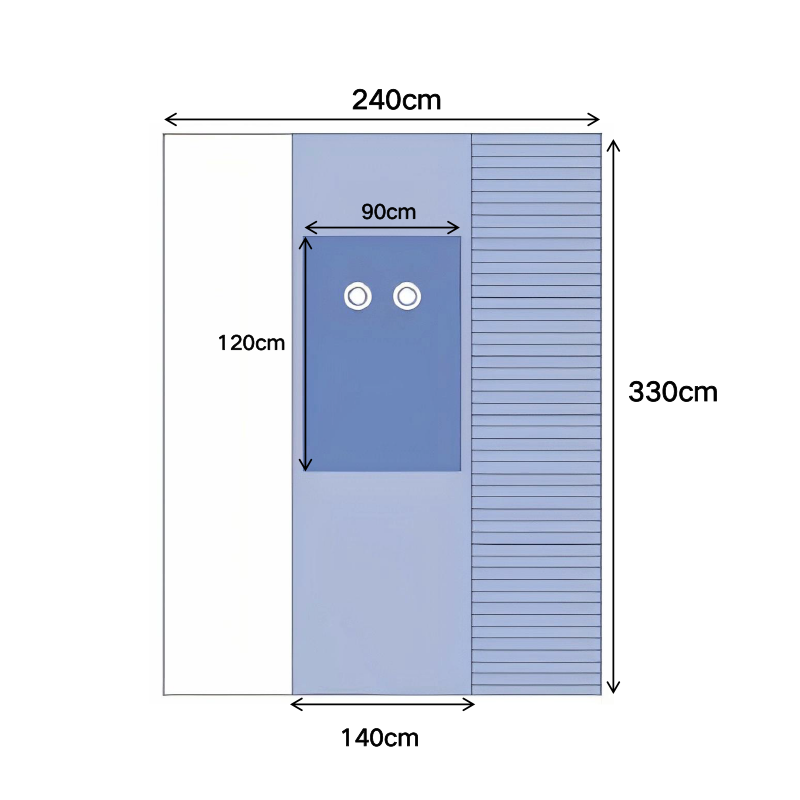 Custom Femoral Angiography Pack with Dedicated DrapeCustomizable femoral angiography pack with a dedicated drape, C-arm covers, gowns and listed consumables; review the bill of materials before approval.View Product →
 Transparent C-arm Drape for Imaging Equipment CoverageSingle-use polyethylene C-arm cover in circular and rectangular sizes, transparent for imaging visibility and designed to protect equipment from fluids and debris.View Product →
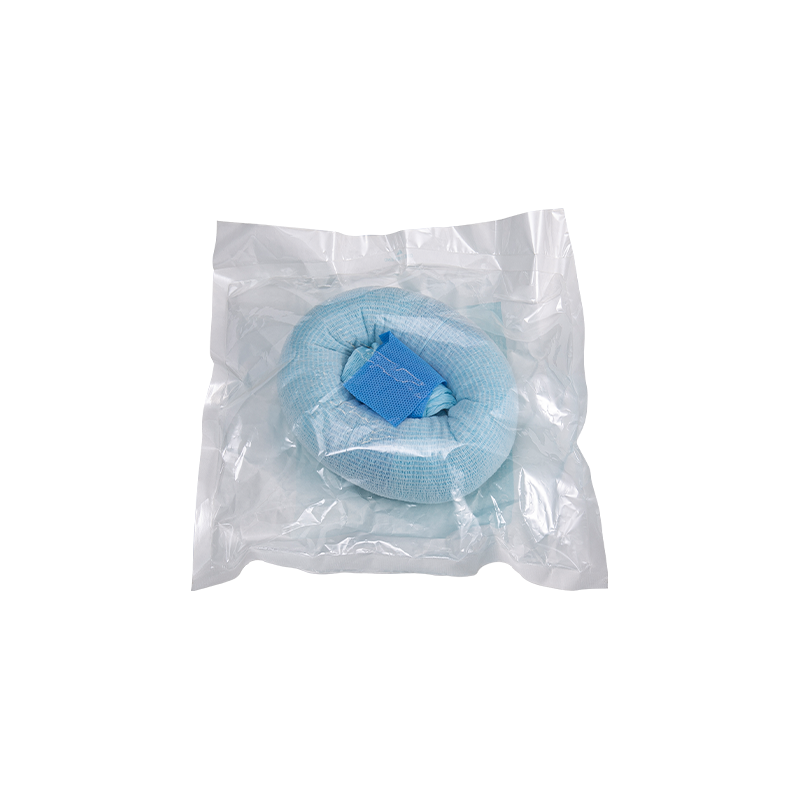 Waterproof Elastic Medical Stockinette for Surgical PacksCustomizable laminated non-woven stockinette in two listed sizes, intended as a surgical pack accessory for skin protection, fluid absorption and pressure distribution.View Product →
With the increasing emphasis on infection control and personnel protection in medical environments, disposable medical scrub suits play an increasingl...
READ MOREWhy are material quality and barrier protection crucial in a disposable cardiovascular surgical drape pack? The efficacy of disposable cardiovascular ...
READ MOREThe Importance of Disposable Obstetrics Drapes Packs In modern delivery practices, the disposable obstetrics drapes pack has become a crucial tool for...
READ MOREThe Critical Role of Medical Gowns in Healthcare In the dynamic and often hazardous environment of a healthcare facility, medical gowns serve as a pri...
READ MORE
 This website is intended for regions outside of China.